
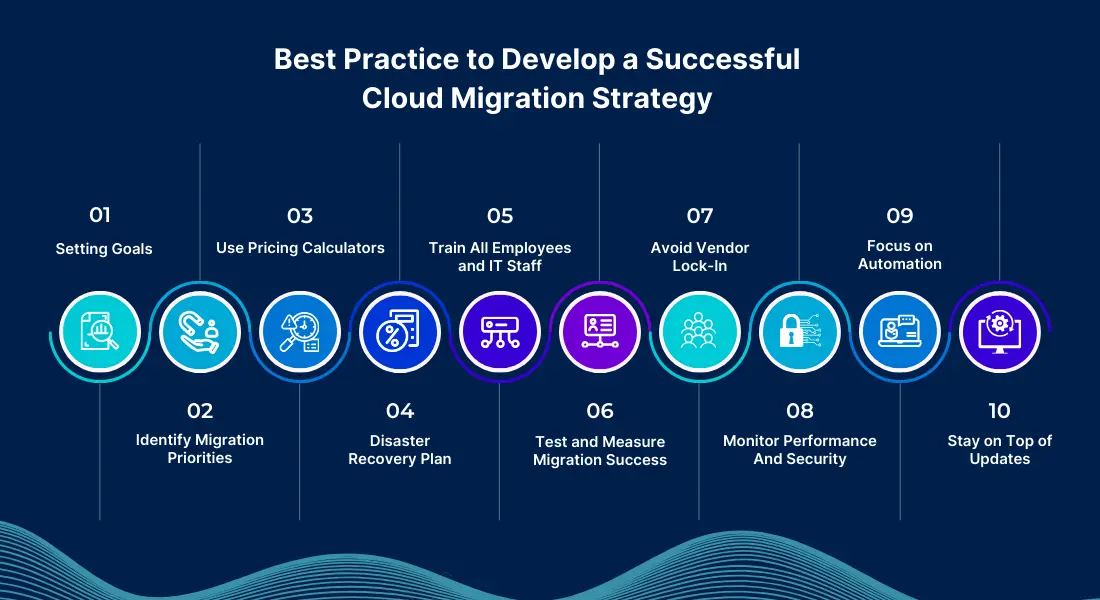
Introduction
Cloud migration is a critical step for modern businesses aiming to enhance their operational efficiency. This blog post explores various strategies to ensure a seamless transition to cloud infrastructure.
Cloud Migration Strategies for Modern Businesses
Introduction
Cloud migration is a critical step for modern businesses aiming to enhance their IT infrastructure, improve scalability, and reduce costs. This comprehensive guide explores various strategies and considerations for successful cloud migration.
Assessment and Planning
Before embarking on a cloud migration journey, businesses must conduct a thorough assessment of their current IT landscape. This involves evaluating applications, data, and infrastructure to determine the best migration approach.
Different Migration Strategies
Lift-and-Shift
This strategy involves moving applications to the cloud with minimal changes. It's quick and cost-effective but may not leverage cloud-native features.
Replatforming
Replatforming involves making some optimizations to applications to take advantage of cloud benefits without a complete overhaul.
Refactoring
Refactoring requires significant changes to applications to fully utilize cloud-native features, offering the most long-term benefits.
Cloud Providers Comparison
Businesses must compare cloud providers like AWS, Azure, and Google Cloud based on factors such as pricing, services, and global reach.
Security Considerations
Security is paramount in cloud migration. Businesses must ensure data encryption, compliance with regulations, and robust access controls.
Cost Optimization
Optimizing costs involves selecting the right pricing models, using reserved instances, and monitoring usage to avoid unnecessary expenses.